Nov 23, 2026
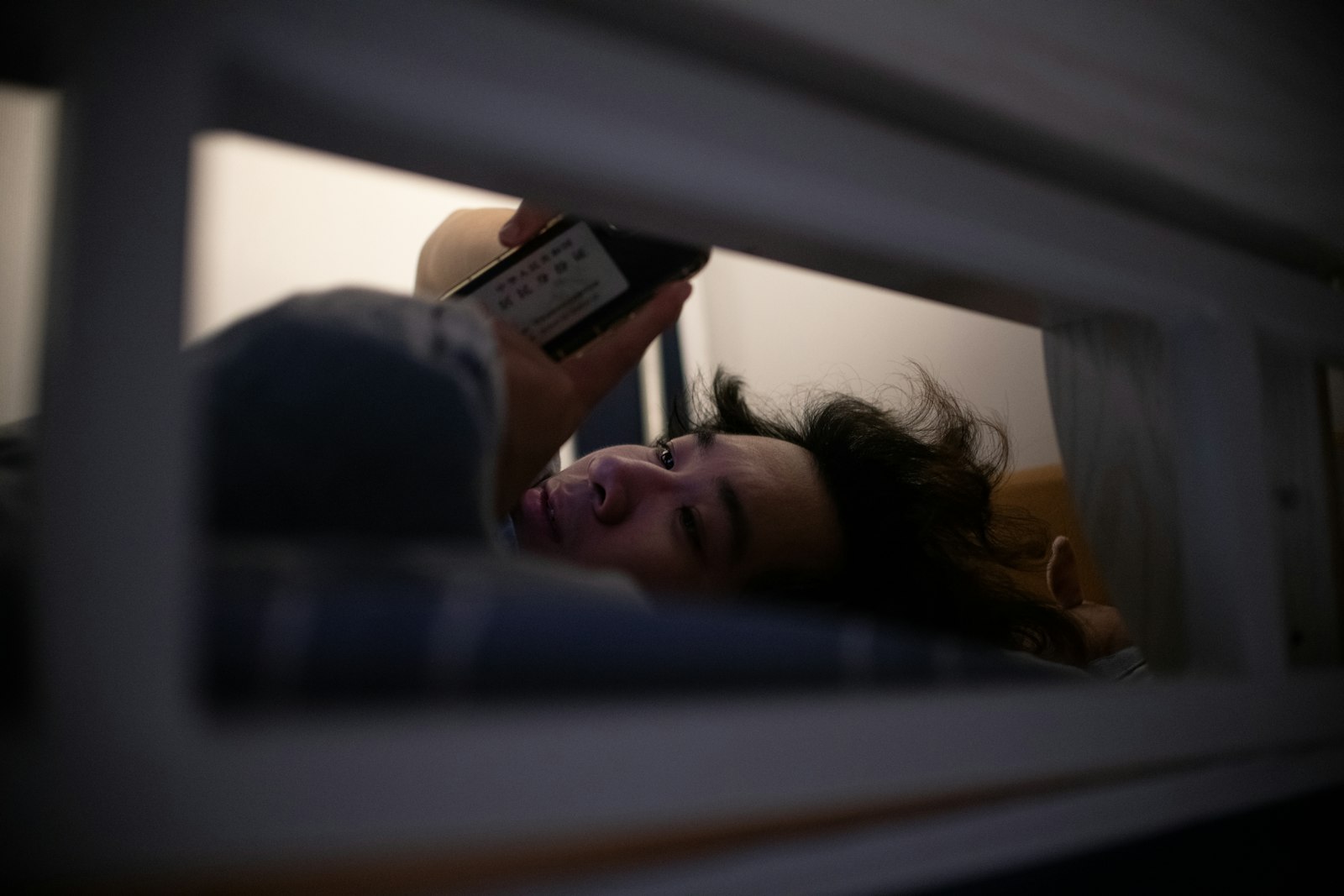
It’s 10 pm. You’ve been worrying about a symptom on and off all day. Earlier, you searched it online and ended up reading about a condition you hadn't even considered before. You know you should put your phone down, yet you just want to feel certain that everything is okay. You ask your partner for reassurance, feel a brief wave of relief, and then ten minutes later start wondering if you explained the symptom properly. Before long, you’re searching again.
If this sounds familiar, you’re far from alone. Health anxiety can make it exhausting to inhabit your own body, trapping you in a loop of checking, researching, and seeking reassurance - even after a GP has told you everything looks fine.
We all worry about our health from time to time, especially when we notice a new ache, lump, or change in our body. Health anxiety is different. It involves a persistent, overwhelming fear of having or developing a serious illness, often when there is little or no medical evidence to support it.
Instead of feeling reassured by test results or a doctor's visit, you might find yourself worrying that something crucial was missed, or that a symptom was misunderstood. As the NHS overview on Health Anxiety highlights, these fears can quickly become so intense that they take over your day-to-day life.
There isn't a neat line between everyday caution and health anxiety, and the signs below aren't meant to be used as a diagnostic checklist. Usually, the turning point is when health worries start dictating your routine, draining your energy, or pulling you away from the rest of your life.
You might notice patterns like:
The hardest part about health anxiety is that the very things you do to feel better end up feeding the problem.
Think about what happens when you Google a symptom. You’re looking for certainty, so you scroll until you find an article that puts your mind at ease. For a moment, your shoulders drop. Then your eye catches a footnote about a rarer condition, and suddenly you're back at square one - tense, uncertain, and searching all over again.
Reassurance works the same way. It acts like a short-term painkiller for uncertainty, teaching your brain that the only way to handle doubt is to check, ask, or research immediately.
When your brain is constantly scanning for danger, there isn't much bandwidth left for anything else. You might find yourself zoning out during work meetings because you're monitoring a headache, snapping at family members when your evening is interrupted by a spiral of worry, or cancelling plans because you don't feel up to socialising with that weight on your mind. Over time, the fear of being unwell can stop you from actually enjoying your life while you are well.
Working with a therapist gives you a steady, non-judgmental space to step back from the panic and understand what’s driving it. Therapy isn't about dismissing your symptoms or telling you it's "all in your head" - any genuine physical concerns should always be checked out by your GP.
Instead, counselling helps you look at how you respond to physical sensations and uncertainty. Approaches like cognitive behavioural therapy (CBT) are particularly useful for spotting the triggers that set off a checking spiral and gently changing the habits that keep anxiety alive. With support, you can learn to tolerate doubt without having to rush to Google to fix it.
While professional support makes a big difference, a few small shifts can help take the edge off day-to-day spirals:
If health worries are taking over your headspace, you don't have to untangle them on your own. At Head Agenda, we offer warm, down-to-earth anxiety counselling in Leeds and online across the UK.
Our therapists work at your pace to help you understand your triggers, break free from the reassurance cycle, and feel more at ease in yourself. If you're ready to talk things through, get in touch with our team to find out more about working together.